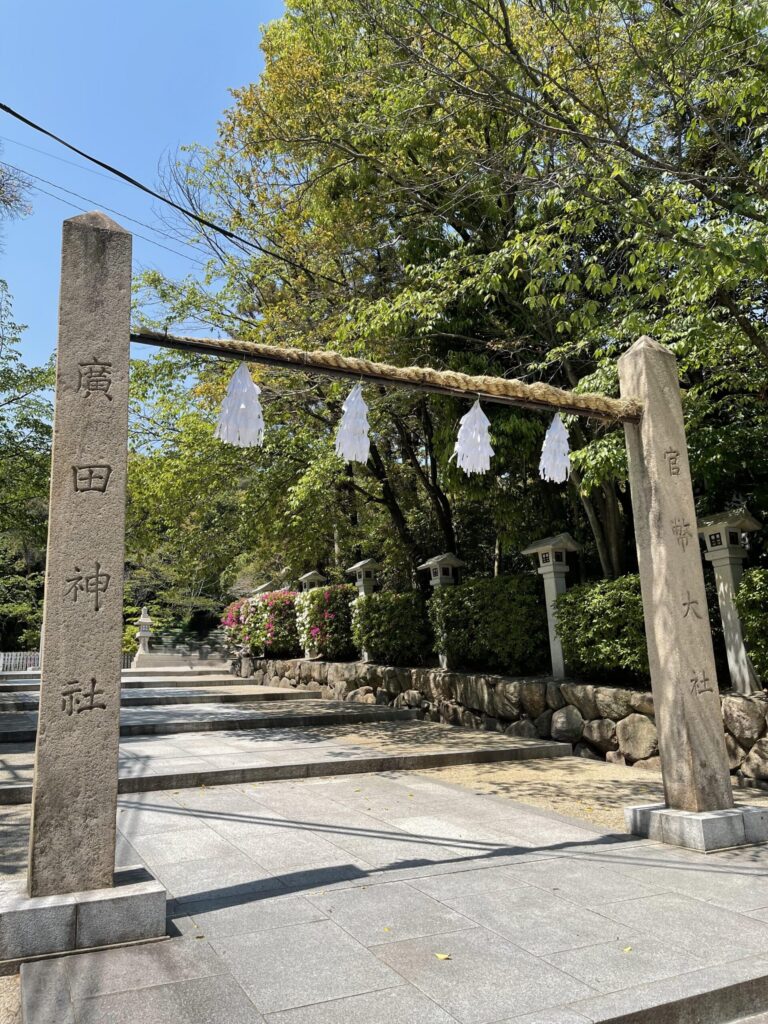
Located in the lush greenery of Nishinomiya City, Hirota Shrine is one of the oldest shrines in the Kansai region, boasting a very long history dating back to the first year of Empress Jingu’s reign (201 AD).
Within its vast grounds, a solemn atmosphere and pure air permeate the air, possessing a mysterious power that gently soothes the hearts of visitors.
More than just a tourist spot, it is known as a “power spot of purification and regeneration” where mystique and nature harmonize, a “sacred place” where faith, culture, history, and nature are integrated.
1.1 The Reason and History of the Deity Seoritsuhime’s Worship
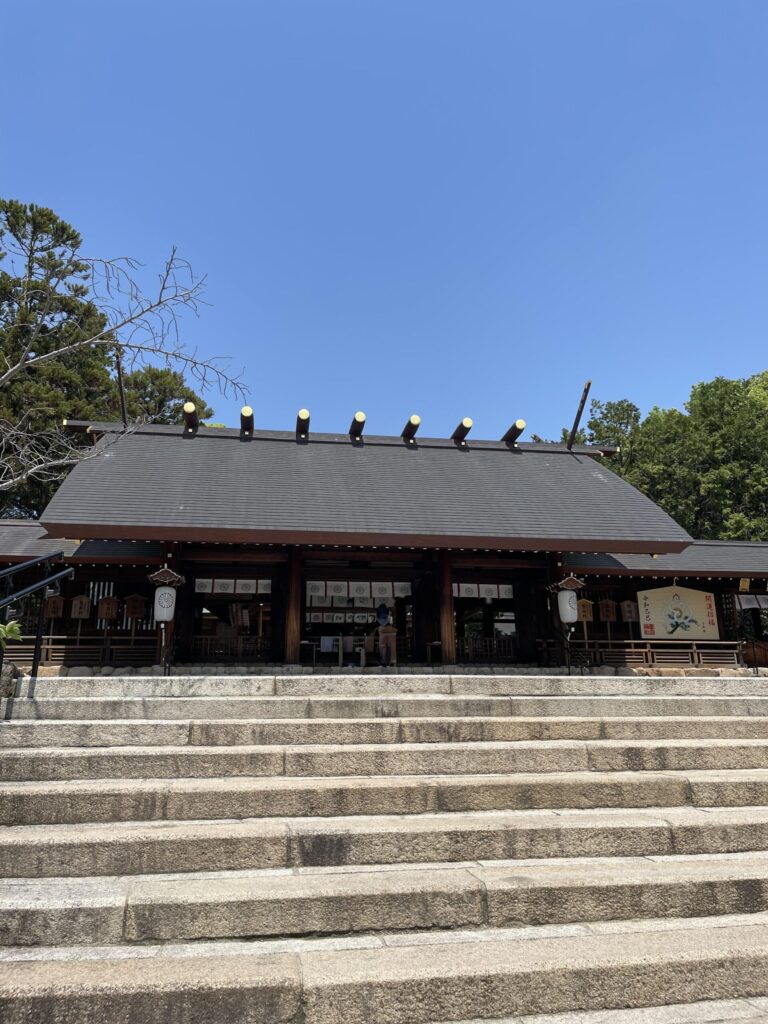
The deity enshrined at Hirota Shrine is Seoritsuhime-no-Mikoto.
She is a mysterious goddess who rarely appears in the Kojiki or Nihon Shoki, but in recent years she has attracted attention in the spiritual world as the “goddess who purifies and wards off misfortune.”
She is also said to be the fierce spirit (aramitama) of Amaterasu-Omikami, and is the goddess who presides over purification, cleansing, and regeneration.
Originally, she was considered a goddess of rivers and water, with the role of washing away impurities and purifying. Therefore, a deep connection to “sacred water,” “rain,” and “clear streams” can be felt at Hirota Shrine.
It is believed that Hirota Shrine originated when Empress Jingu enshrined Seoritsuhime in this area upon her return from the conquest of the Three Kingdoms of Korea.
For over 1800 years, it has been a prestigious shrine representing Hyogo and the Kansai region, inheriting the faith of the Imperial family, samurai warriors, and the common people.
1.2 Legend of the Dragon God and Highlights of the Shrine Grounds
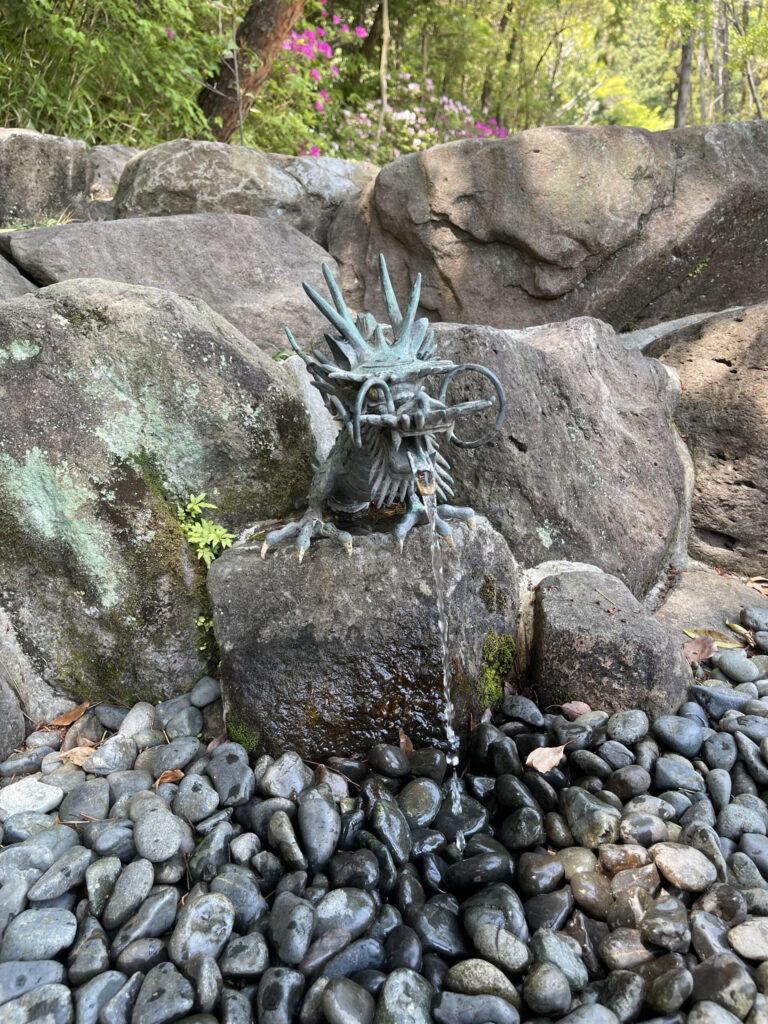
A legend persists within the grounds of Hirota Shrine that “the Dragon God resides there.”
This is based on the idea that Seoritsuhime is the goddess of water, and the Dragon God serves as her attendant.
The natural forest behind the shrine and the place where the sacred spring water gushes forth exude the aura of a “dragon’s lair,” a power spot attracting attention from those knowledgeable in feng shui and spirituality.
Other highlights of the temple grounds include:
・Main shrine and worship hall: majestic architectural beauty in vermilion
・Sacred camphor tree: a gigantic sacred tree hundreds of years old
・Pond where the dragon god resides and a well of sacred water
・The approach to the shrine adorned with seasonal flowers (especially azaleas)
This space, where nature and mystery harmonize, gently soothes the mind and body of visitors.